HORROR IN HOUSTON
Slated Cinema at the
Houston Filmmaker Showcase
OCTOBER 30, 2025 - BY ELI FISCHER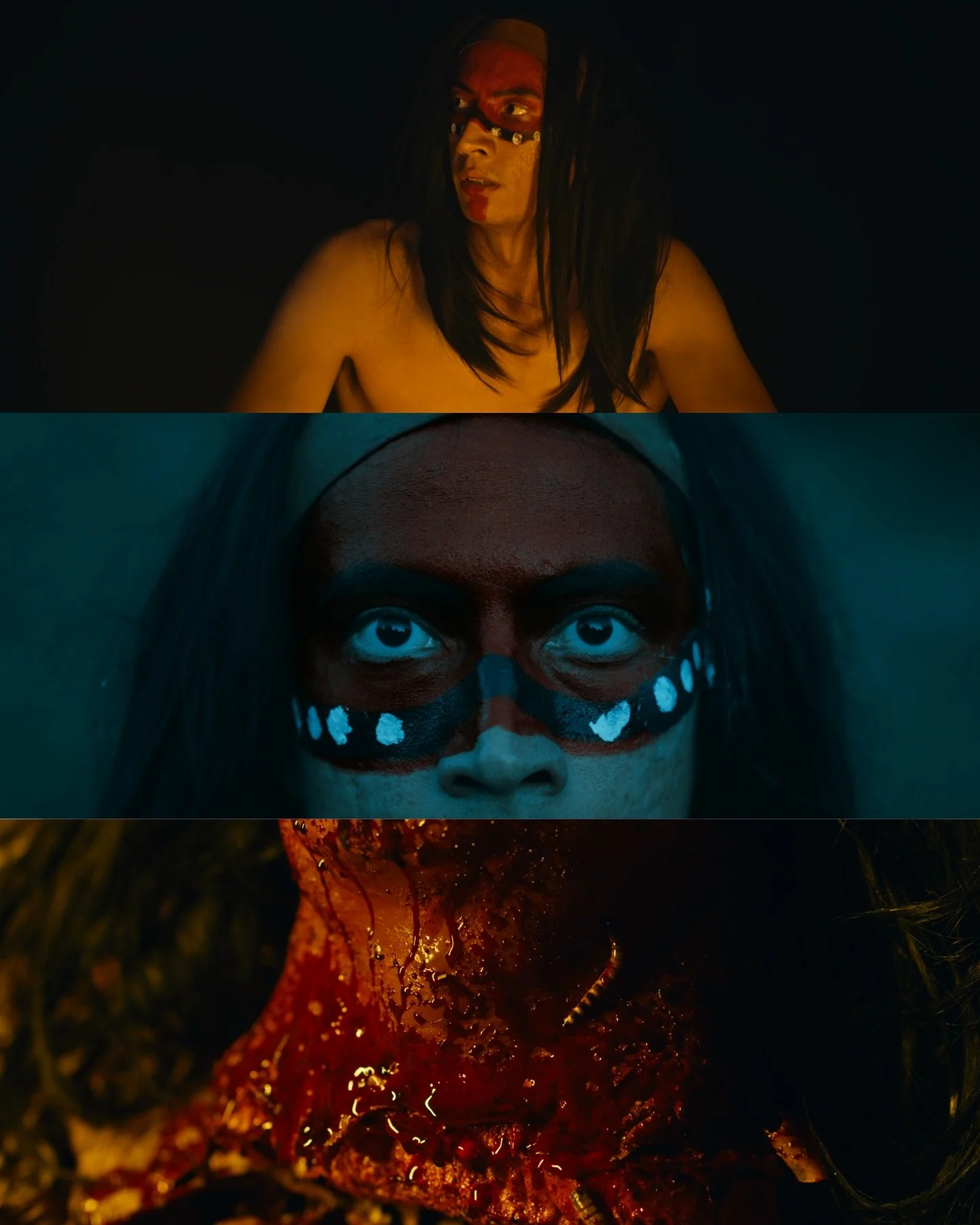
SEEAHTIK (2025) by Syed Hasan
It can be easy to dismiss a city like Houston for not being renowned as a cinematic landscape. It’s not a place where a ton of things were filmed, it doesn’t get referenced as much as something like New York or Los Angeles or even its sister city Austin. You can feel stuck or isolated, and it can feel like everything you want is a hundred miles outside the loop. Emotions like that require the safe havens that are theaters and stalwarts of cinema that help guide you toward the silver screen. Houston is littered with them, dedicated individuals and organizations that not only believe in the power of movies but believe in the power of Houston movies. The historic River Oaks Theatre, Houston Cinema Arts Society, and Southwest Alternative Media Project are three essential pillars of this culture. It requires hardwired dedication and appreciation to cultivate a culture the way these organizations and individuals do; to create movements that can change budding filmmaker’s lives. One of the ways they are all working toward changing lives is by hosting a monthly showcase for independent filmmakers to get their work on the big screen where it belongs. Recently, they hosted a horror film showcase to celebrate both the spooky season and the talent that resides in the community.
Sitting in a packed theater, watching ten different short films from ten distinctive voices, it reminds you of the power of interconnectedness. When you walk underneath the red neon signs and through the gold plated doors of the River Oaks Theatre, you can feel the history of both the building and of cinema. This history and the allure of shared sensibilities combines in a really interesting way, so that when the lights go down and you're preparing for the first short to play, you are absorbing something new with the knowledge of what came before.
This tool isn’t exclusive to this specific experience, it reverberates all the time with genre filmmaking. Genre is a pillar of making movies because it exists as a translation between audience and filmmaker. It’s a language that audiences are fluent in, even if they don’t know it or recognize it. You can make a horror movie and craft a scene where someone opens the fridge door to look for something, blocking the background, and you know that an audience will be expecting something to be there whenever the door closes. It’s that unspoken communication that makes genre so impactful, and this is something that’s always been true in cinema.
The audience in the River Oaks Theatre watching a variety of short films on a Wednesday night were fluent in genre. All of the films, from the top to the bottom, all tapped into that understood precedent of filmmaking, and audiences were treated to an eclectic selection of films that represents the ever growing and subversive history of horror. From horror-comedies to stop-motion to psychological nightmares and traumatic hauntings, everything was present. All of these filmmakers were working together to speak a unified language, and their dedication to craft resulted in the feeling that you were watching the timeline of horror.
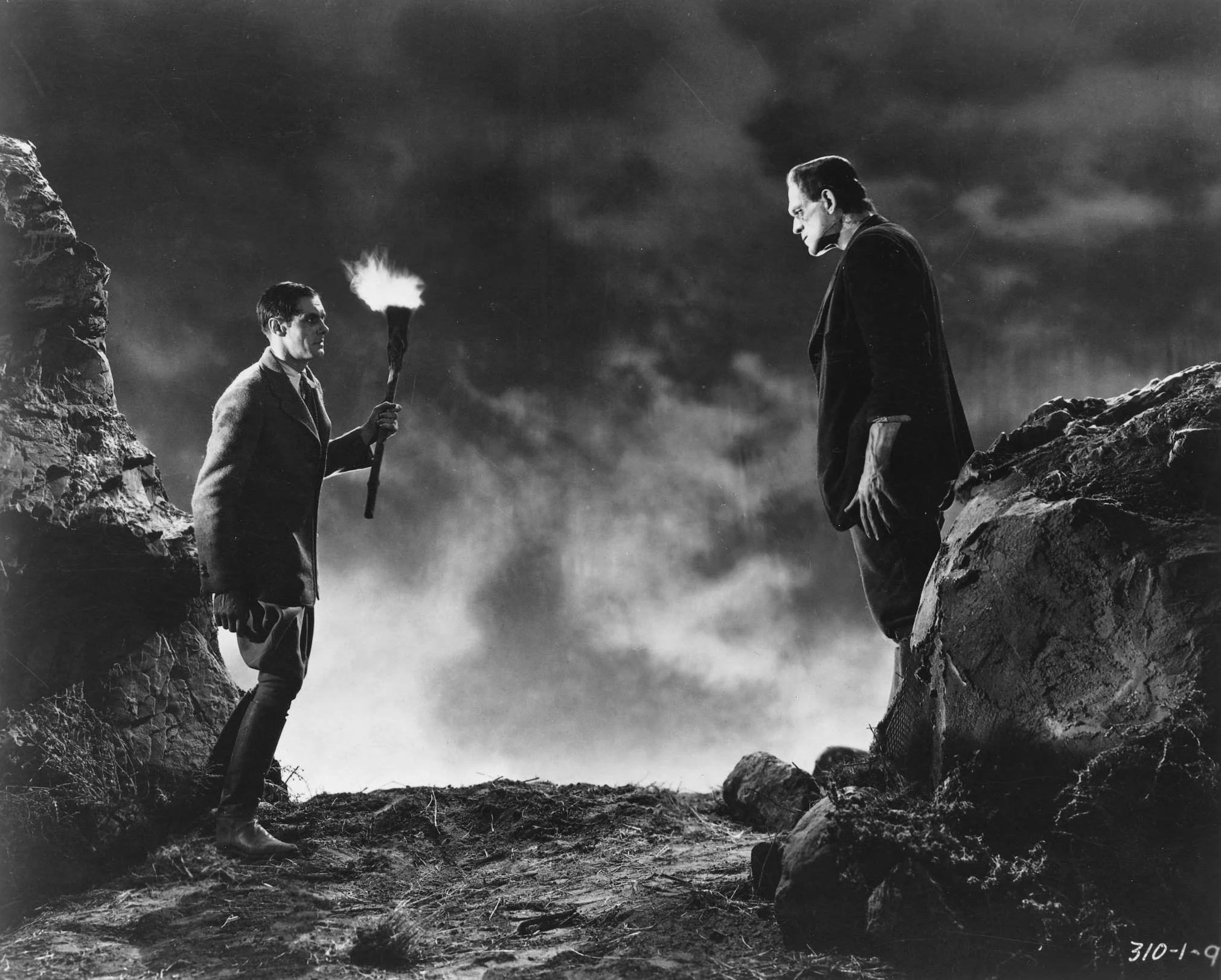
Frankenstein (1931) by James Whale
Horror, at its best, is supposed to operate as a peek into the unimaginable and the unreality of our world. From the cinematic illusionist George Mellies to the frightening horror of James Whale and his movie monsters, audiences have always wanted to take a peek at the things we can’t understand. Mellies did this with his film La Manoir du Diable or The House of the Devil. It is a movie from 1896 and it is a combination of live action and stop motion, complete with skeletons, magic, and an incarnation of the Devil. What I clung onto was that peak into a villain that audiences were extremely familiar with, while also being a character that only existed in drawings and stories. Milles, recognizing the power and magic of the moving image, chose to depict this unknowable horror. It exists because of responsibility to curiosity. It carries over to James Whale and his iconic run of making movie monsters. Frankenstein, Bride of Frankenstein, The Invisible Man, all peak into the actualization of the unknown and the unthinkable. All tangible realizations of your worst nightmares. All films that I could not stop thinking about while I watched local shorts Awake! and Winona’s Monster.
Two films with wildly different settings, but very similar tones and themes. Awake! is a contemporary story of a man suffering from sleep paralysis and the physical toll that takes on him and the people around him. Winona’s Monster is about a young girl who discovers she has a little monster following her around. Both of these films are expertly crafted and they both exist in the same vein that those Mellies and Whale films exist. They both take the time to materialize and create a physical horror from an inner turmoil or anxieties. They are the actualization of those things we fear or those things that keep us up at night. This type of metaphorical storytelling has always been present in horror, and it’s always effective for the same reasons; thoughts are easier to dismiss than the monsters who exist to stalk and terrify.
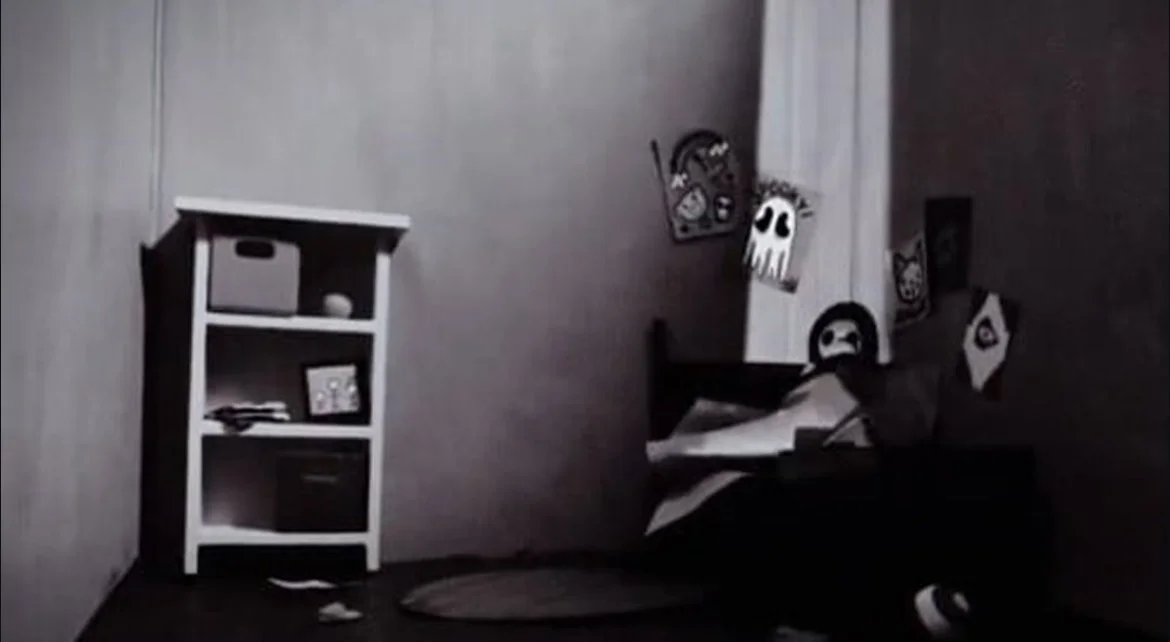
Winona’s Monster (2025) by Jacquelyn Garcia
Both films are shot in black and white, again very similar to the Melles and Whale films. It helps to create this staunch reality, it’s a vintage truth that these filmmakers are tapping into and it’s the same feeling that the horror greats of the past were utilizing to terrify audiences in the same way.
As horror evolves, it often reflects culture of the time, touching on key discussions in a way where people might not recognize it until the context is inked in history books. You watch films like The Thing or Night of the Living Dead and you see the metaphors for the Cold War or militarization of the police against “invaders” from an unknown land. It’s also linked to this idea of the occult, the unknown within our community. The tormented and ancient evil of The Exorcist reflects the world in the same way The Omen does and the same way Dawn of the Dead does. This evil that we refuse to acknowledge finds its way to leak into our world, and we are totally out of control.
Occult horror has always been more unnerving because of the believability of it all. It’s not a scientist creating life, or animated skeletons running around a castle. It’s your friends and neighbors assuming the role of the monster. It's beyond our control, the least autonomy we have in any version of the genre. We cling to answers, and occult horror simply proves those answers to be false. We cling to the belief that the soul leaves the body when it dies, or that religion is the shield against demonic forces. When these answers are proven wrong, it leaves us defenseless. Proverbs and Seeahtik tap into this vein and use it in equally elegant ways.
Seeahtik tells the story of a young Native American man and the horrors he faces as he goes through a traditional rite of passage. It’s eerie and haunting while never losing the meditative edge that separates it from other horror shorts. Proverbs, a more contemporary story, depicts a man’s discovery of an otherworldly bible and the traumas that discovery unearths inside him. Both of these films deal with familial trauma in a very interesting and engaging way, however my bigger takeaway was the fact that the horrors presented in these films are spawned from belief. It comes from a belief in tradition or faith in a higher power. These characters are seemingly at the mercy of something that is greater than their understanding. I think this branch of horror really creates some interesting structures. The Exorcist is terrifying because it plays with a lot of people’s fundamental truth, their faith. Proverbs and Seeahtik are terrifying for the same reason. Prying on those fundamental beliefs and asking you to not only re-examine your truth, but to doubt it. This proves to be a wildly effective tool for causing scares. It’s such an accessible presentation that most people don’t even realize they’re buying in. So, in Seeahtik when the protagonist is confronted by the ghost of ancestors and that ghost turns malicious, we are surprised and terrified. In Proverbs, when the voices start ringing through the characters' ears, unleashing the mistakes of the past, we attach our own mistakes to the film.
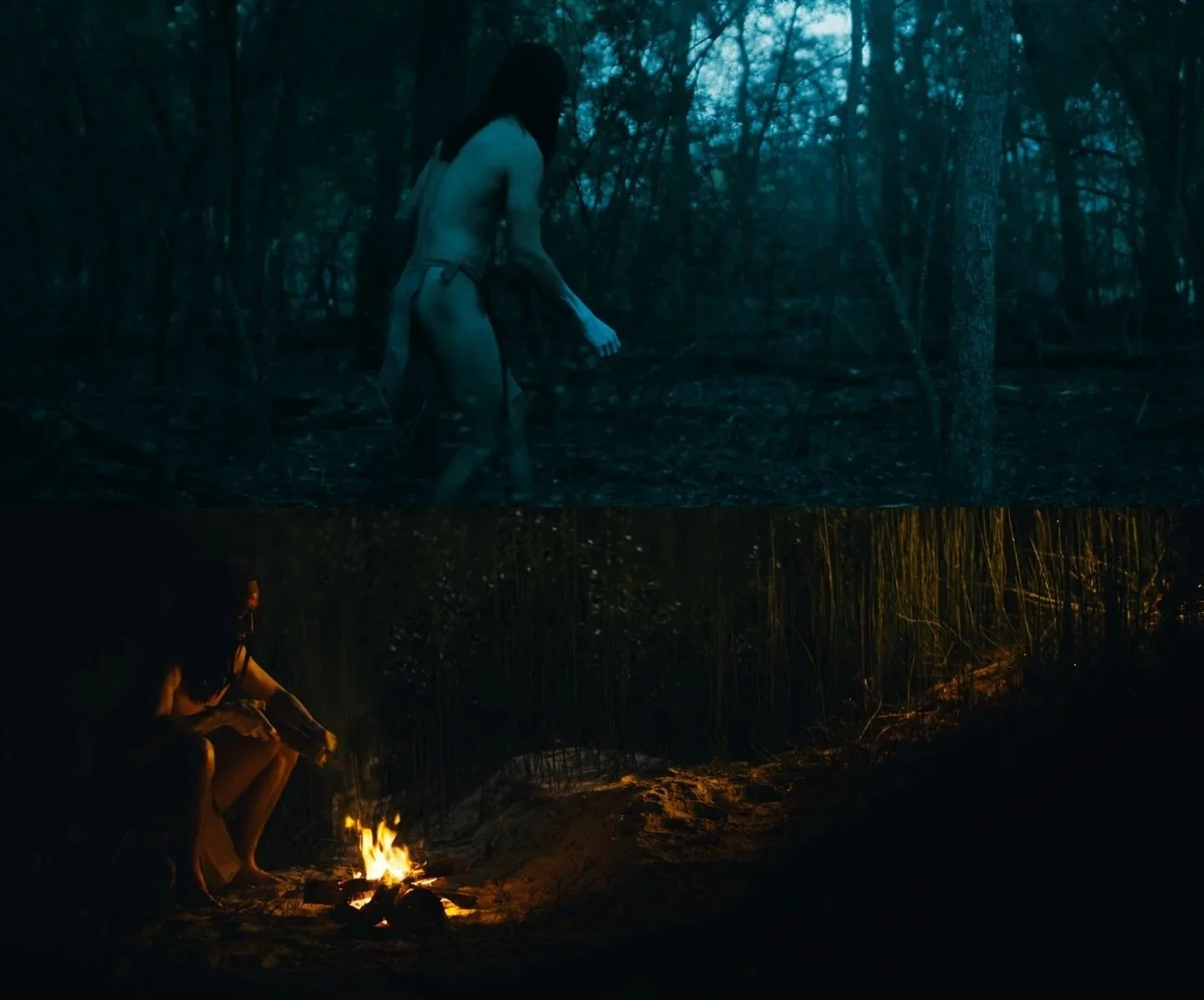
SEEAHTIK (2025) by Syed Hasan
I would make a case that the two major genres in filmmaking are comedy and horror. I believe the biggest reason for their popularity lies in the fact that they are both able to cause physical reactions while you’re watching. You hide behind your fingers when someone gets mutilated and you laugh when someone gets hit in the groin. It’s this connection that ties the two genres together in such an interesting way. With the rise of evil films meant to terrify came the slashers that responded. Things like Evil Dead 2, Scream, Nightmare on Elm Street, or even more recently with Weapons or Cabin in the Woods. Movies that can truly terrify and shock you all while being unafraid of leaning into the silliness of it all. Freddy Kruger can keep you up at night or stay away from bathtubs all together, but he will also lean into the terror of teasing.
Comedy and horror work the same way because they both rely on the story being subversive, they are both counting on you to predict what is going to happen so they can do the opposite. Something like Weapons can introduce these genuinely hilarious moments between the most tense scenes you’ve seen in years. For our showcase, films like Door to Door, The Big Slip, and Party for One understand this sentiment fully. They are rooted in the subversive nature of both the genres and they utilize it to contribute fully to the subgenre of Horror-Comedies.
The night started off with Door to Door, a subversion of a story we are all familiar with. A security salesman shows up to do his job and takes losing a client a little too far. The premise of this one is built from the ground up in terms of relatability. We all want the salespeople at our doors to leave us alone, and we want this so badly that we don’t even consider the terrifying idea of a salesperson; especially a security salesperson. Their entire goal is to get you off-balance in order to make you buy this thing you weren’t thinking about, they are meant to lure you. You almost don’t even notice the slight twinges in the sentences that reveal the terrifying nature of the interaction, you’re too busy laughing at how much this salesman can’t take a hint. It’s catching you off guard, much like The Big Slip, which is a noir tale in both style and substance. A pair of detectives are investigating a string of grizzly murders, only to find the perpetrator to be something they could have never imagined. I mentioned earlier that horror and comedy are intertwined because of their ability to subvert narratives, that’s what makes them impactful. The Big Slip is a great portrayal of both of those types of subversions. The unexpected killer initially gets a big laugh, before a shocking horror, followed by several big laughs. It’s betraying the audience but doing it so effectively that it pays off. Audience expectations play a lot into movie structure, which is why something like Party for One is so uncomfortable to watch. Uncomfortable in an intentional way of course, leaning into this idea of turning the protagonist against the audience by forgoing every instinct in the book. A DoorDash driver accidentally leaves his keys in a delivery and has to enter the house of a lonely and socially inept man. Playing with this idea of societal norms and abuse of expectations. It works to place the audience in a place to empathize while also actively mocking their expectations. This helps the film to build in both horror and comedy, never losing sight of that delicately balanced dichotomy.
After the arrival of Hereditary, It Follows, and Get Out horror saw a big shift toward intellectually psychological driven stories. Stories that use the horror genre to process things like grief and sorrow in a meaningful and scary way. This commitment to elevating horror to another tier helped to further the genre to a new prestigious level. There has always been horror that is prestigious and renowned. Silence of the Lambs won the Big 5 at the Oscars, Rosemary's Baby, and The Shining remain all time classics of film. But with those movies, the horror is often disregarded in favor of the other elements. Elevated horror suggests that there can be those classics and all-timers and they don't have to sacrifice the horror sensibilities. An Expressway to Your Skull, My Best Miracle, and Bruises all work to maintain this new quality.
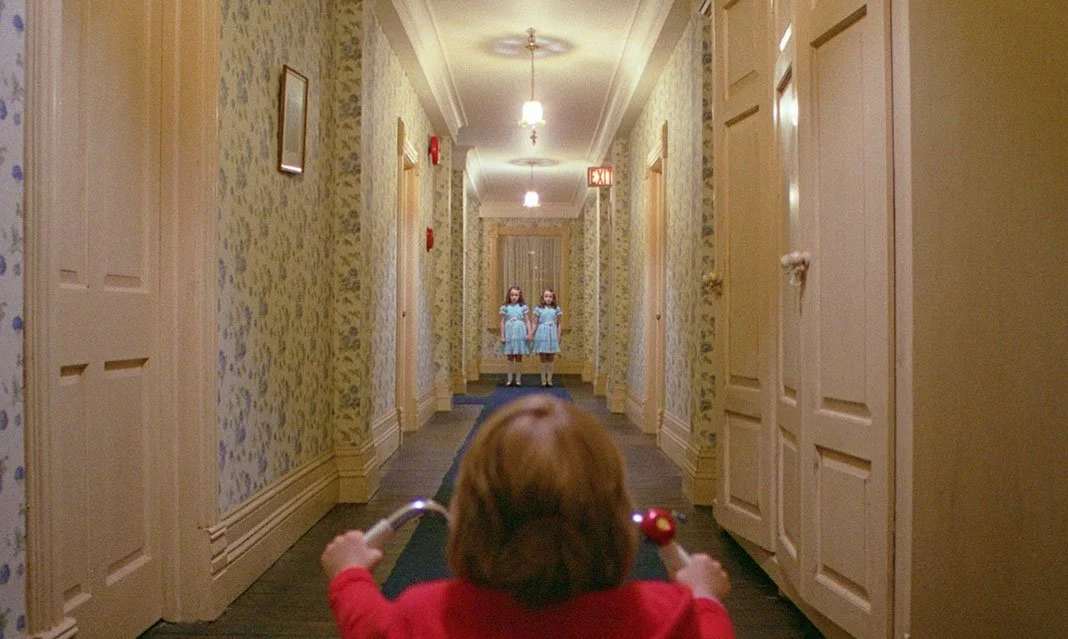
The Shining (1980) by Stanley Kubrick
An Expressway to Your Skull is an honest and metaphorical depiction of losing a partner in an uncontrollable way. The film weaves in and out of reality, always utilizing character emotion to affect the technique of the film. Bruises is about a girl who gets a new bruise every time she looks at her reflection. It’s a simple premise performed extremely effectively. Using the tools of cinema to create a relatable experience. My Best Miracle shows us a mother daughter relationship and the extremes a mother is willing to go in order to protect her child. Disturbing and harrowing, it finds its terror in the depictions of abuse. All of these films work within this desire to process trauma. Whether it’s grief or abuse or pressures, these films all use traumatic experiences to relate their stories to audiences. The subversion comes within the world. It’s a man living after a couch falls on his head, a woman getting bruised by her reflection, a mother keeping her daughter locked up. The subversion within the story adds to the grief of the audience. Instead of defying the audience, the filmmakers are defying the characters. It’s the same reason the Rosemary’s Baby ending is so tragic. The deceit was to both the audience and the characters. Elevated horror always has a place in horror history, and that’s because they are unashamed of using their choice of genre as an emotional storytelling tool.
Horror films and Houston films are two things I hold very near and dear to my heart, so when I get the opportunity to combine them into an experience like the Houston Filmmaker Showcase I feel extremely lucky. I feel so grateful to be in a place where I can watch ten different filmmakers and see an evolution of horror on screen. Watching these films and being able to track the lineage of George Meilles to Jordan Peele makes me believe in the power of film history echoing. Horror is a genre that feels easy to dismiss, but in this dismissal you’re robbing yourself of experiences. Opportunities to see things you can only imagine, to see deepest and darkest thoughts actualize and become entities, betrayals of your beliefs. You might read that and think me a fool for suggesting you should want to see that, why would you want to see that? I understand that trying to pitch “you’ll see your fears in real life” as a reason for you to go to the movies wouldn’t make much sense at first, but to me it’s more representative of their magic. Where else can you get that? Movies offer real life physical manifestations of your fears and those manifestations can’t hurt you. It’s a guilt-free and worry-free excursion into your curiosity. The first recurring nightmare I had was one that involved Ghostface from the Scream franchise and Miss Piggy chasing me through a meat packing factory. It was impossible to shake, and for a long time it meant I swore of horror films. After a while I got over my fear of Scream (still working on Miss Piggy) and that film represents everything that is holy about horror for me. It’s being confronted by the things that you fear most and coming out the other side a different person. All of these Houston filmmakers understand this excitement, and they utilized that excitement to create some really meaningful art.
Below is every film that played at the Houston Filmmaker Showcase. I will also include my four under-seen and underrated must watches for your Halloween viewing experience.
SHOWCASE FILMS:
Proverbs | Dir. Timoteo Cortez
Awake! | Dir. John Dekerlegand
Bruises | Dir. Anthony Martino
Door To Door | Dir. Troy Young
Expressway To your Skull | Dir. Joey Wojcik
SEEAHTIK | Dir. Syed Hasan
Party For One | Dir. Bryce Smink
Winona's Monster | Dir. Jacquelyn Garcia
My Best Miracle | Dir. Khang Nguyen
The Big Slip | Sean Gentry
ELI’S COMBO PICKS:
I Saw The TV Glow | Dir. Jane Schoenbrun
CLASSICS:
A Girl Walks Home Alone At Night | Dir. Ana Lily Amirpour
Near Dark | Dir. Kathryn Bigelow
The House of the Devil | Dir. Ti West