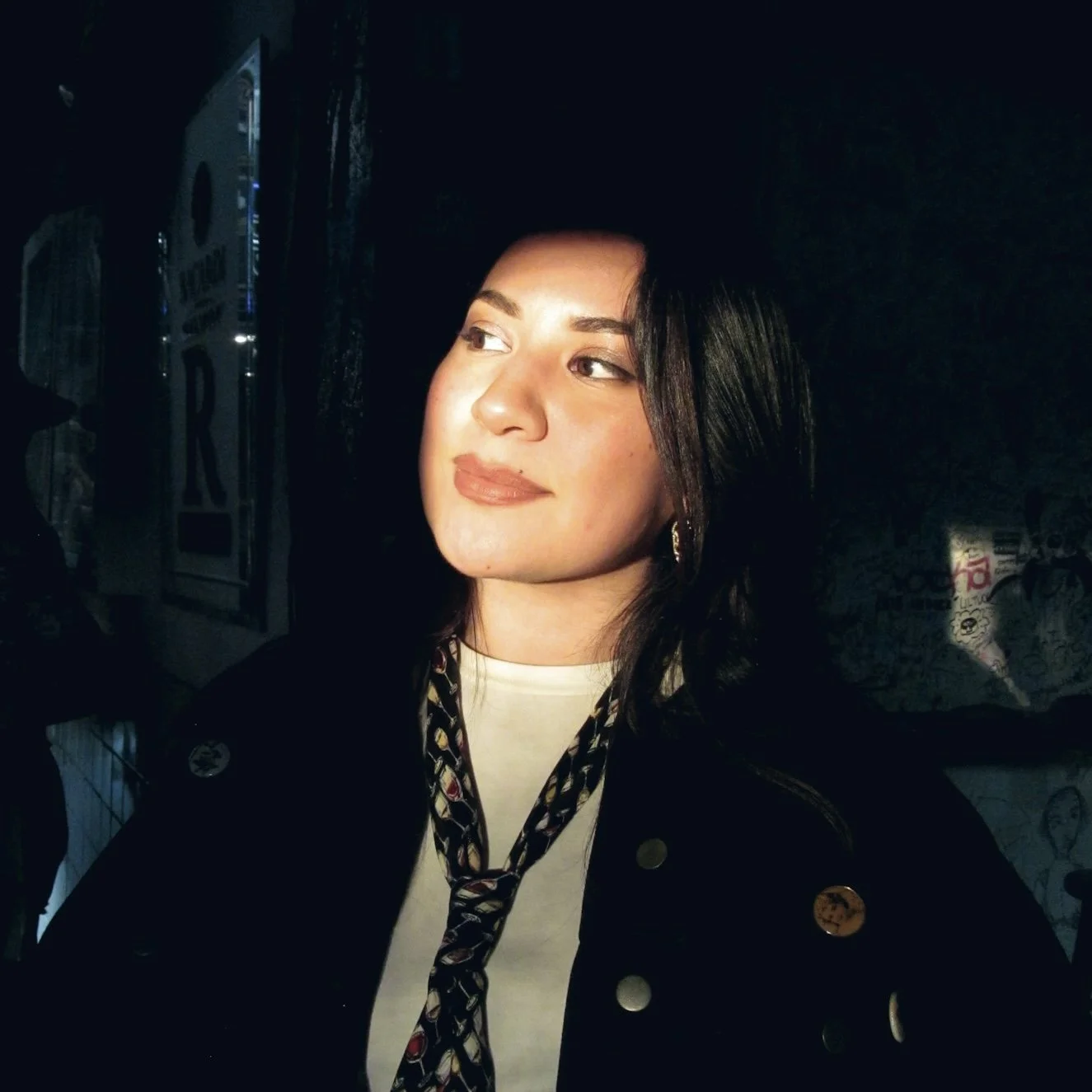
THE RESURGENCE OF MOVIES ON FILM WITH PAOLA MORENO REYES
Film Photographer and Filmmaker, Paola Moreno Reyes on Her Stop-Motion Short Film, Easy
july 1, 2026 - INTERVIEW BY sarah ontiveros
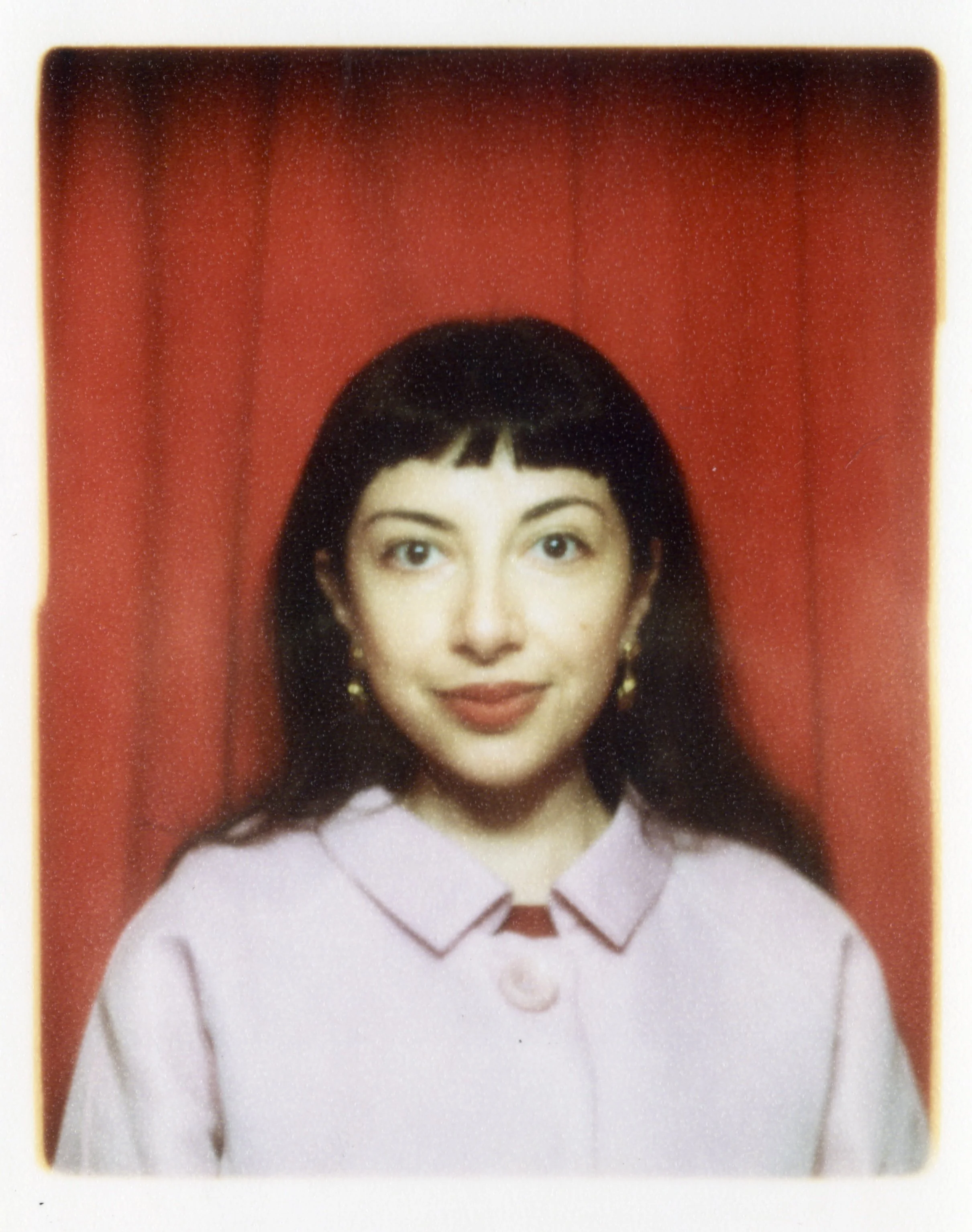
Paola Moreno Reyes, self-portrait.
Tell me about you and your introduction to film the medium but also stop-motion filmmaking?
Honestly, this is my first film that I've ever made, something with the purpose or intention of it actually being a short film. I've always been interested in photography. My dad was a hobbyist photographer growing up, and he taught me how to put a roll of film in a camera, he taught me how to read a light meter, and I guess media has always been a part of my life. I have a half-brother who has always [made] YouTube videos ever since I was younger. I grew up watching his little renditions of telenovelas and fan music videos and I was like, wow, he's so cool, I want to be just like him. I want to make people feel the way he makes me feel when I watch his stuff, you know?
And that's always pretty much stayed with me. I've always been interested in photography and video and just preserving things that I experience. I feel like everything that's made is a human reflection of whoever made it and ourselves, our desires, or just this simple pleasure of seeing something. Like whether it's a wooden table or handwriting in your notebook. So, I think I've always just been super inclined to document and preserve. And also just for my own memory, because I know life is so short and memories fade, but if you can capture something and look back on it, it's, like reliving the same thing over and over again without skipping a beat or a detail.
So I guess that's how I got an introduction or felt comfortable in pursuing creating this short film. But the way that I actually came about it is, I was helping Rachael (Acosta) and Únies (Gonzalez) create content for Admit One. Únies reached out to me, and was like, “hey, I've always really liked the way that you just put out content however you want, and I was wondering if you'd like to help me promote Admit One.” And I've attended Admit One previously, and I was just so blown away by all the work, by the creativity, the composition, the colors. Again, the way that the movies on the screen made me feel, just so inspired, so in awe. Not only at what I was looking at, but also at the community that was behind it, because I'm not originally from Houston and I just happened to move here and I just feel like everything kind of worked out because I feel like I found the community that I've been searching for.
Houston is really good about inclusion and support. And I think that's something that's really beautiful and it goes a long way when it comes to community and art.
How old were you when you moved here?
I had just turned 21. I'm 27 now. So it's been a minute. It's been six years since I moved. And it's kind of funny because I've been doing a lot of reflecting on how I grew up. I feel like I've done a lot of my growing up here in Houston instead of in California. But I wouldn't really go out. I didn't really have that community of people that had similar interests at all. So moving to Houston, finding the right people, learning from each other, it's everything I dreamed of and more.
I love to hear that. There is a community here that I think people don't realize, but I think we do a good job – not keeping to ourselves – but holding it close to us and making sure that it remains this very welcoming and inviting community. Like, it's ours, but also, the door's always open.
Exactly. Yeah. And that's exactly what I observed whenever I was helping Rachael and Únies for Admit One . . . Únies had asked me, hey have you ever considered submitting anything? Do you do any narrative work? And I was like, no, actually, I don't. But I had been playing around with my Super 8 camera, and I really did want to create something, but more documentary based. Initially, I was talking with my friend, Brad (DeAnda) of Hello Telephone, about doing a documentary on his upbringing because I think that community essence lives within him and that passion of creating just to create.
I've actually known him since I moved to Houston. I was pretty close to his old band, so I was always around, and I've always noticed Brad focusing on the music . . . he would write all the instruments, all the lyrics, and you know, it's so easy to write a song – it’s so easy to rhyme things, right? But it's the human essence of just being someone, being a human being, and everything that comes along with it, I think [that’s] really reflected in his work. And even the way that he's always written songs so passionately and relentlessly. It doesn't matter who hears them, who doesn't hear them. It's a steady passion that just has never faded.
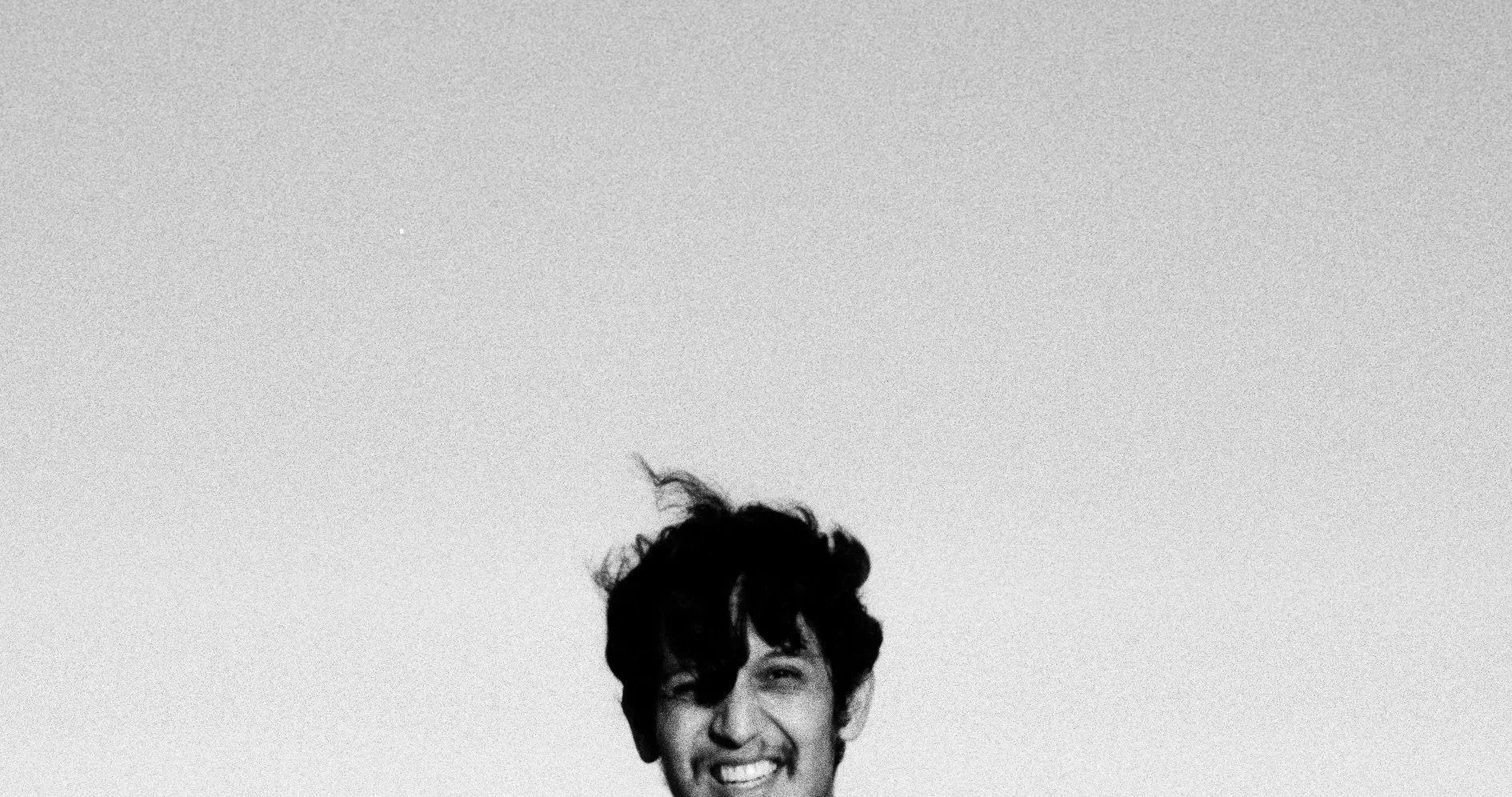
Bradley DeAnda of Hello Telephone by Paola Moreno Reyes
You wrote something in the summary of the film y’all made together, and I loved it. You said he doesn't create for the money or the marquis but because otherwise the room wouldn't feel right if he didn't. And it’s so true because it doesn't matter who’s on the other end of the things that we create. It's just something that is necessary for our well being and our soul.
I mean, I think that's one of the greatest things about us as humans – Our ability to create art and just that drive, like the room doesn't feel right if you're just there thinking about all these things but you’re not actually making something.
Yeah, what is existence without art, without music, and it's all under that same umbrella. Art has so many facets and that's what I love about filmmaking, it brings all of those things together. Cinematography, music, illustration. I love that you had this little trio: illustration, music, photography. So I feel like we all kind of start somewhere [similar] and slowly everyone finds their way to filmmaking.
Exactly. It's all intertwined. Also, one of the things that Brad and I were talking about a lot, because at first it was just us two trying to write out the narrative, and figure out how we were going to do it. And I was really inspired by this film from Netflix called Nouvelle Vague. It's one of the most beautiful films I've ever seen from the standpoint of creation. I forget the name of the film they base it on, but it follows Jean Luc Godard creating the film itself. And it really stresses how he was just doing what he could with what he had. And throughout the whole film, it just looks like he does not give a damn about how it turns out. It's straight off the dome. Like, no scripts, one cinematographer, everyone just kind of following him around, stressed because he doesn't really have a plan. And the turnout is just so beautiful . . .
And I was like, wait, literally anyone can do anything with what they have. And I always like to say that the best camera is the one you have with you. Whether it's your iPhone, whether it's like a little digicam, anything. Anything you have is perfect because the one tool you will always need is just your eye. Your eye, your thoughts, what's in your heart – that's what's going to show through on the screen.
One of the questions I had, because you work so much with film and analog, do you think storytelling changes at all between the mediums?
Yes, I absolutely do. And I don't know if it's corny or I don't know if maybe it's just my lack of experience and naivety, but I do think that it changes because when it's digital, you can always go back, replay it, overthink it, see what's wrong or missing. You kind of rely on the fact that you can do that, versus having fun with it, doing your best the first time and not having to think about it past that until after. And then maybe you think you might have done a bad job, but then the photos or the film comes back and you realize how beautiful it turned out. You know, I feel like digital just kind of removes that element of surprise and spontaneity, and just being genuine.
Maybe the planning as well. Like you were saying there's no revisions in a film. What you get is what you get. So you have to plan even harder in advance. If there's a specific shot you want and it's not just fun as-you-go type shooting, you can only manipulate so much on film. And with digital we have so many things now where you can manipulate light and do crazy things to get what you want.
So I agree. We do rely on the revision aspect. I think that's always in our head. A thing we never say [in the industry] is, “we can fix it in post.” That's like the no-no in filmmaking. But I think we’re also in our head like, “but we can if we have to.” No one wants to fix anything in post but it's an option. And with analog you're very limited to what you can do once that film is developed, if it gets developed correctly! That's also a gamble.
Yeah, I was trusting because I had had some [film] really messed up prior to it. And you can only have faith at that point. There's so many factors to it, and it's trusting the developers, it's trusting that the scans will come out appropriately on time, because that was a big thing – the timing factor. What if we have to reshoot a sequence? . . . But it's all fun, though. It's a part of the process, and it makes you appreciate the end product a lot more I will say.
And one of the questions I had you already kind of answered, but what came first, the music or the filming, but it was the music, right?
Yeah I had known Brad for the longest time. I knew the kind of artist he was and his dedication to his craft, and I had been playing around with my Super 8 camera, and I was like, you know what? I would love to do a documentary about Brad and what kind of shaped him or molded him to be this disciplined artist. But unfortunately, my camera broke. Not even midway, at the very beginning. I shot some stuff while they were mixing the song “Easy” and I was like, damn, how can I pivot from this? And so Únies had said, “you know, people often submit stop motion on 35mm,” and I was like, you know what? I have been getting back into my film photography grind, so it kind of makes sense that I would do something like that.
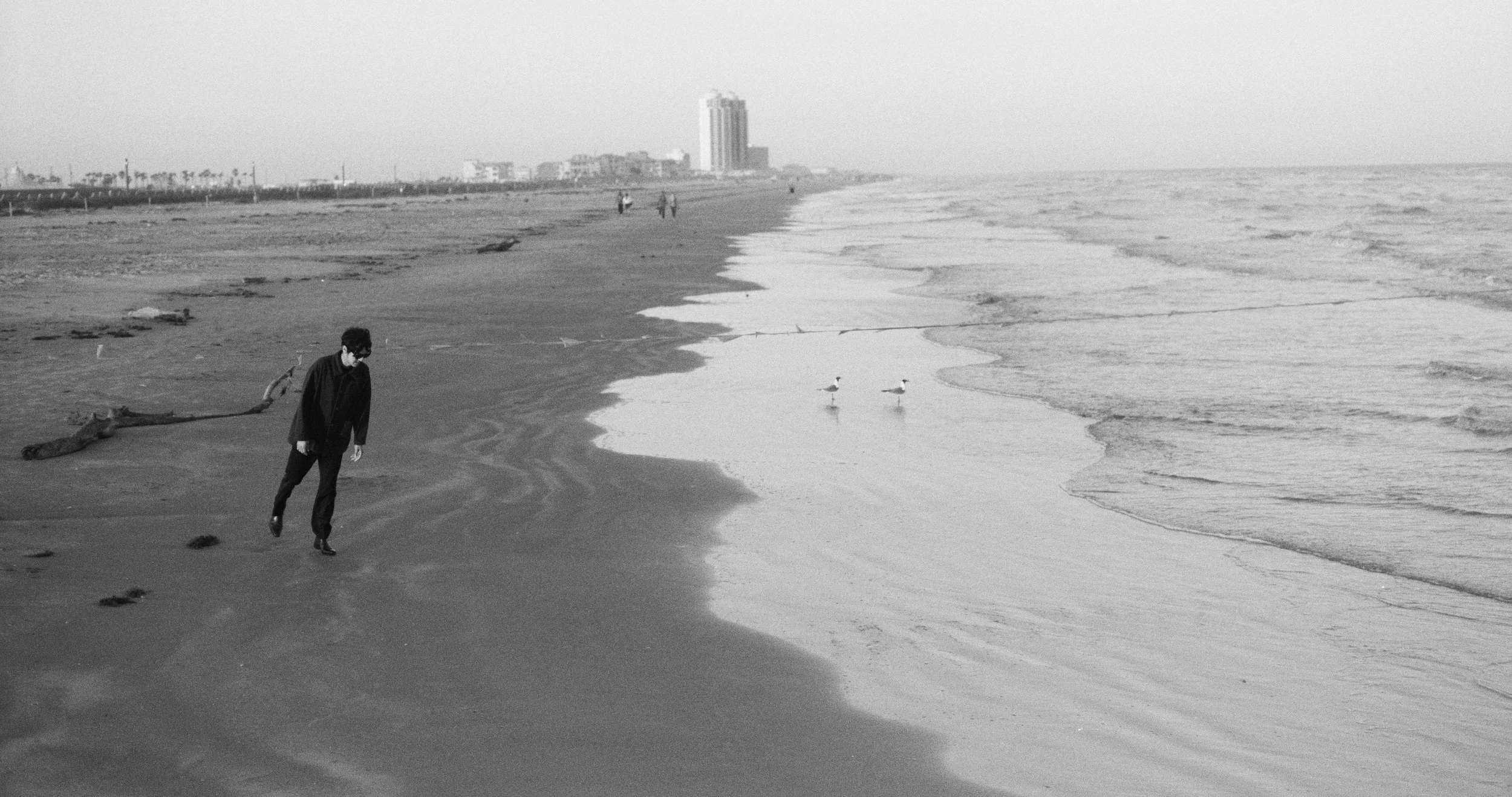
Easy (2026) by Paola Moreno Reyes
Honestly, I thought that was your first choice, because going and looking through your posts, it was all film, and polaroids or strips, kind of just layered and in a kind of stop- motion-like sequence. So I was like, oh, it's a no-brainer that she went with stop motion, but it's interesting that you originally wanted to do something else.
It felt so daunting to me. Únies had sent me an example of a stop motion film, and I was like, oh, man this is really cool but how many shots did this person take? And then the editing process, it was really beautifully done in the example that I had seen, it wasn't just like a series of photos back to back, kind of like how I did. It was just arranged in a really unique way. And I was like, well, maybe I can just experiment, have this be a straight shot of whatever is going to come out of it. So I'm [still] doing a series where I try out different film stocks, and I had never shot this role before. It’s CineStill Double X. I have it understood that it's re[housed] Kodak film for movies. It's actually really beautiful because it has that old Hollywood quality to it, like the really contrasty dark darks . . .
So that's very much on brand for me because I'm a huge 50s and 60s enthusiast. I grew up watching old movies that inspire me to this day, whether it's music choices or fashion or literally anything, I'm always going back to the 50s and 60s. And I was like, well, I know that Brad’s music also goes back to even the 20s and the 30s, so I was like wait, this is kind of perfect. I feel like he would rock the vision.
He has this perfect speaking voice too, I don't know what it is, it's just his cadence and him narrating it, I was like, this is the coolest thing ever. It almost sounds like something rehearsed because it's so unique and artsy, but I was like, I'm pretty sure that's just the way he talks.
I'm so glad that you brought that up actually because I had two ideas, I was like, “Okay Brad, I want you to do kind of a narrator voice and then I want you to lean into that, like, country accent that you have going on.” And he doesn't realize it, but he has a little country accent. And so, I was like, “just kind of accentuate that.” He's like, “I don't have a country accent but I'll try." And so, what's funny about that is we actually went with the narrator voice instead of the country one. And he still sounds country!
That's why I liked it, because he was narrating in this very “cinematic” way but also had that little bit of that southern undercurrent. I was like, this is so good.
Yeah, it scratched an itch for sure.
It all just kind of tied together pretty seamlessly . . . And he had just released “Easy” and I was like, well . . . I don't know what the script's gonna be but I had already envisioned [having the] song just kind of build up to its final state. And that's where it kind of came about because he was showing me the different stems, like the drums, the guitar, and I was like, that in itself is a story.
It's this story about him telling a story – through music.
Yes exactly! The buildup.
There's so many layers to that. One of the questions I had and scratched out because it's so obvious, but do you think that photography is the grandfather of cinema? . . . Movies were stop motion before they were anything.
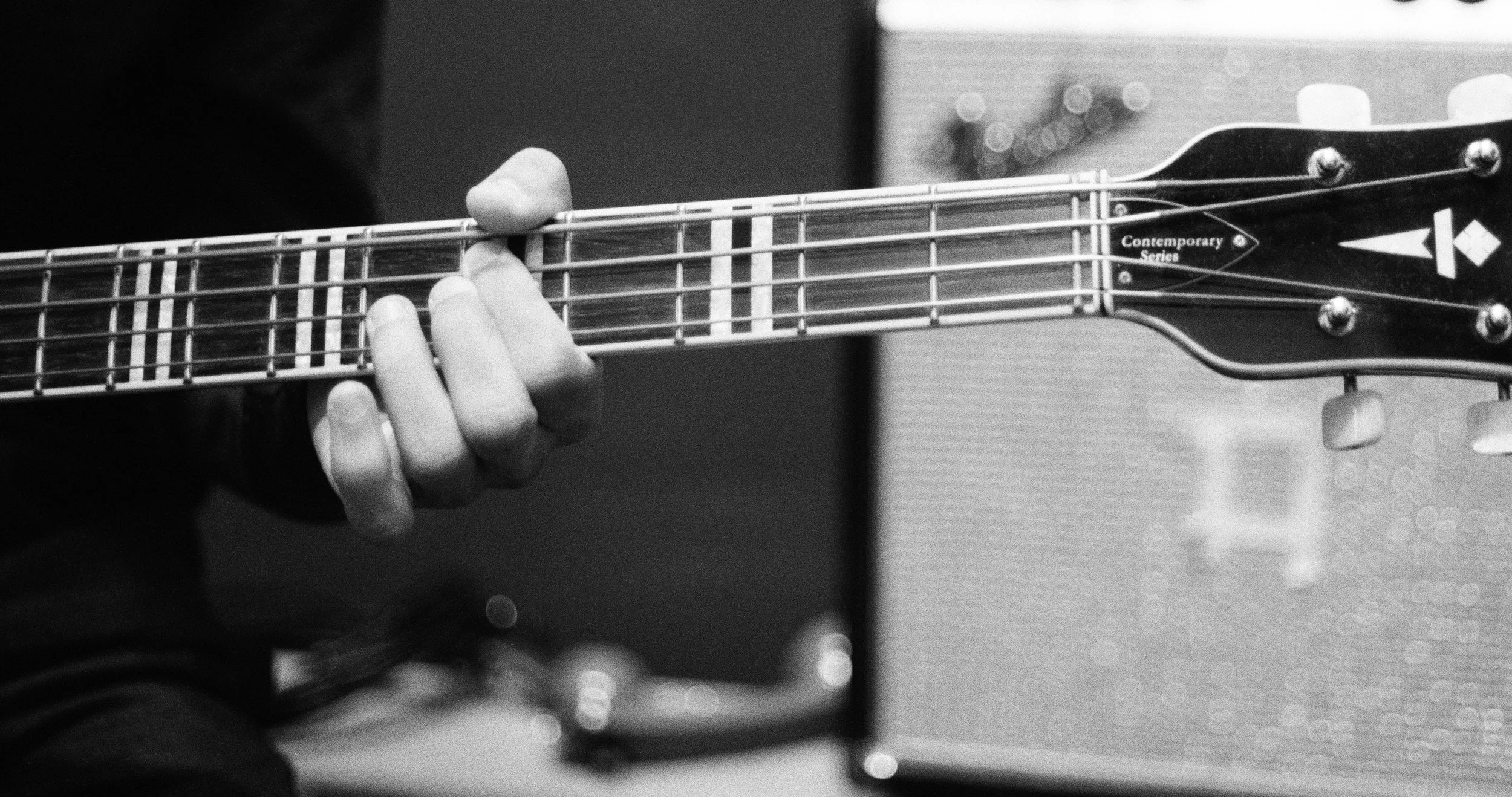
Easy (2026) by Paola Moreno Reyes
Exactly.
I scratched it out because that's such an obvious question with an obvious answer. But I love that what you did was take it back to that antiquated way of making a film to tell a story about someone trying to tell us a story through music . . . It’s the same thing, what you're doing with stop motion, he's doing with music . . . it was so cool to watch and then piece together and then unpack.
That's so sweet. Thanks for observing that. It means a lot. I wasn't just two and a half minutes of a little video, you know? . . . Filmmakers in the showcase, which I was so honored to be alongside, were asking me, “where can I see this film again?” And I was like, what?
That's how it starts, now you're in it!
I'm really excited. And I guess I didn't even mention before, but another inspiration for the film was growing up on rock and roll. Like Dad Rock. And Brad’s the same, I know that he's very much a huge Beatles fan too, also cut from the same cloth. So I knew he would be on board with the narrative, the style and everything. It was just all so seamless. And I've just always been such a music fanatic. It's just always been something so constant in my life that I knew I wanted to do [this] at some point in my life. You know, just the respect for music and the way that sound can make you feel.
Music just has so much power . . . You're never alone, you know? And so pairing that with photography was just a no-brainer.
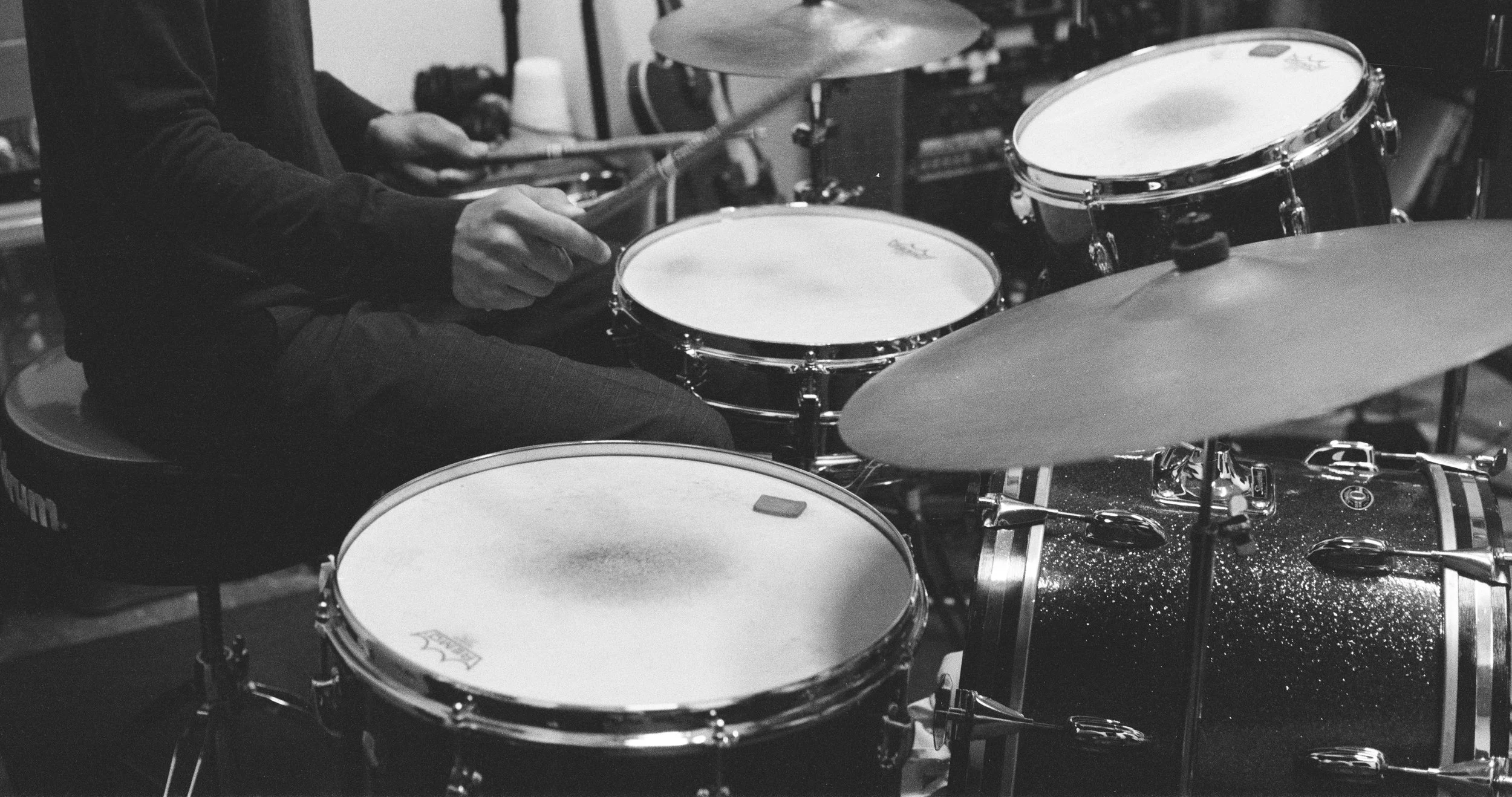
Easy (2026) by Paola Moreno Reyes
That's what I guess I was saying earlier – that's what I love about filmmaking, it finds a way to take all the things that we love and put them together to create something else.
One hundred percent! It's kind of interesting to think about Houston and the community that you have here because I noticed that a lot of times at least in the pastimes that I've attended showcases here – you see the community in the sense that it's the same people working on different people's projects. They all kind of rotate . . . I think that's because everyone is kind of lifting each other up to complete their vision. And I think that that's something that's so beautiful here. And it just goes to show that it takes a village.
It's refreshing to hear you say that because I feel like within the community, I think it has a bad reputation for being cliquey sometimes – like only working with the same people and not really branching out or inviting new people in to work on your projects. But I love that you say that, because there is, I think, a balance to it. I think we know who we like to work with, and who we trust. So we're going to bring those people back to work with us.
And I think we're all kind of at the point too where we are putting feelers out for the thing that we want to do within filmmaking. So everyone kind of jumps into all these roles to see what fits – they're trying them on. And I think when you work with all the same people and kind of rotate those roles, I think it's just allowing people to figure out what they really want to do, like where they shine, where they feel comfortable. If you don't let them do that, how are they gonna know?
I mean, I can definitely see that point to it. It's like, maybe someone who's trying to make their way into the business, but also, I think it's important for everyone involved to also have that different point of view from all these different positions. Kind of like owning a business, right?
Yeah, it really is like a business, you want to know the ins and outs of that business. You want to know what things look like down here on a production assistant level. Production assistants don't get enough credit. They do a lot of the heavy lifting on set and they get paid the least. If they get paid at all. But you have to be in that role at least a few times to understand that how that operates isn't much different from how the top of the line operates. It’s just levels. You kind of have to be in each of those departments to understand that everyone is doing something similar as far as work. And you have to appreciate it.
Everyone makes it happen. I think that that's something really beautiful about seeing all these projects come to life. It's really inspiring.
It is. And when it's with all the right people, pulling their weight and putting in the effort, it’s a magical thing. I say that all the time, it's magic.
It's movie magic.
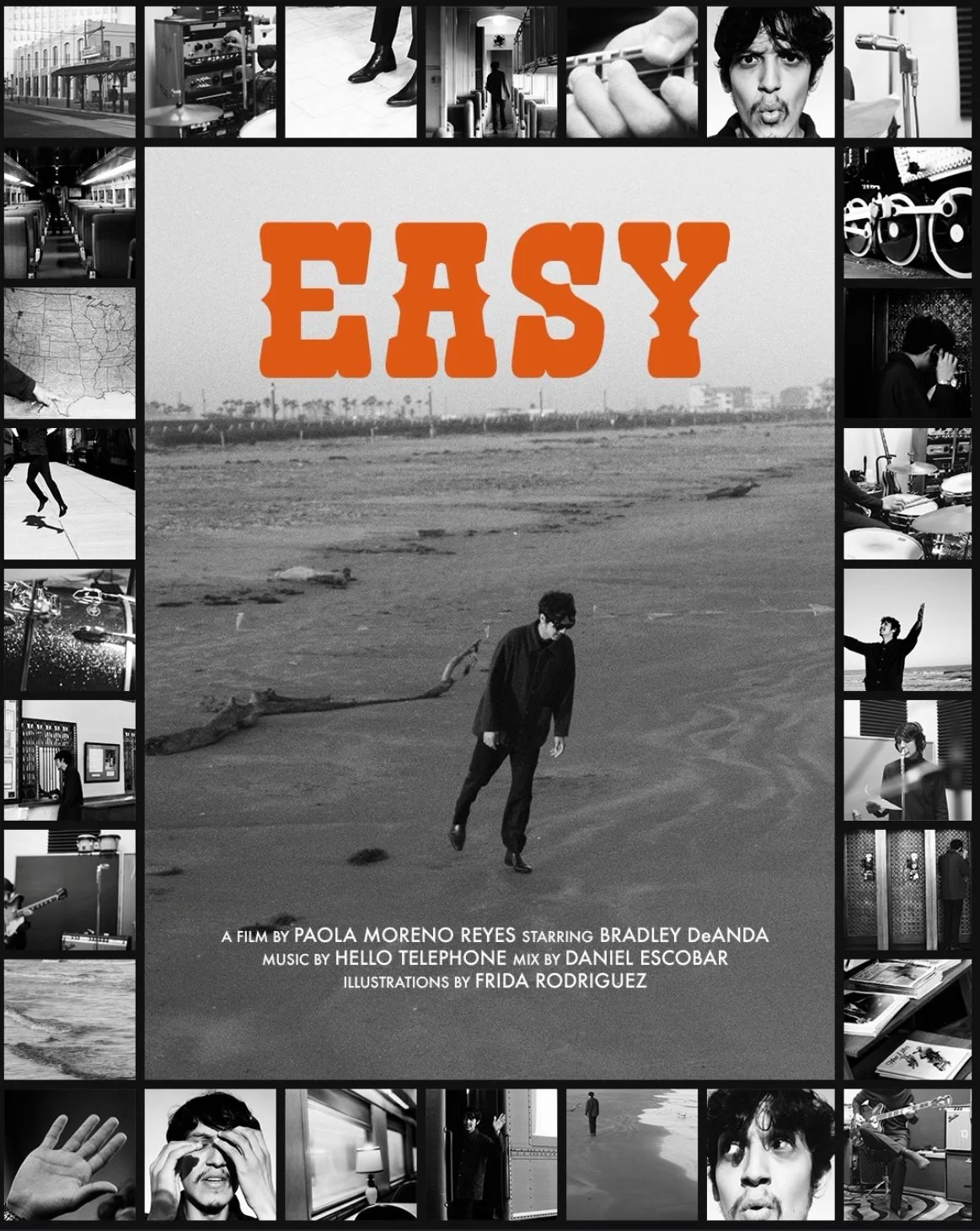
Courtesy of Paola Moreno Reyes
Quite literally! It's such an exciting and ever evolving industry and community. And even when I say evolving – yes, there's new technology being used, but there's also stop motion. There's also that antiquated way of making films that's starting to see a little bit of resurgence because film [the medium] is having its resurgence. And I feel like it's about preservation at this point, and that was one of the questions I had. Do you think [that’s important], trying to preserve that way of creating with film?
Yeah, I absolutely do think that that's something that should be of importance to even the companies that are keeping it alive . . . I don't think I can properly verbalize what I want to say about it and how I think that technology is so close to human nature, but I think it's just really tied down to the intention, you know.
Like learning to walk. You can't run before you learn that. You can't have a picture before you learn how to understand what even taking a photo is: a manipulation of light, loading film, knowing the chemistry. It's science almost.
It's everything that's a part of us.
It's the learning curve in itself. It's the mistakes that you make and the accomplishments whenever you get a great picture with great exposure, great detail.
Yeah! “How did I do that? How do I do that again?”
It's so beautiful, super rewarding. [And] it's such a bummer when you get like a blank roll. But then the next time you get great pictures, it's like, wow I learned from this past experience, I'm so happy that I have these pictures today.
And that's something that, you know, again, revision with digital, yes, but it's, like, instant gratification versus delayed gratification that allows you to evolve as a person.
“I'd say that the challenge lied mostly within myself more than anything. Admit One was the invitation, but the challenge was within myself and trusting that I can do this from start to finish and not just have it be an idea that sits in the back of my mind.”
- PaolA Moreno ReyesYeah, and that was one of the last questions I had. [For Amit One], Houston Cinema Arts Society is like the storytelling aspect of it and FLATS is the analog nature of it. Was it a challenge to combine those two things and figure out a way to tell a narrative story?
Yeah, I wouldn’t think of it as a challenge, but more so as an invitation. Because it kind of goes back to what you were saying earlier, about how movies were originally stop motion. So it's kind of like coming together at a certain point in time. Whether it's today or like when it first began and just kind of understanding that there's a mutual respect there because that's how it originated . . . The responsibility is kind of shared by both because film wouldn't be possible without photography.
I love that you framed it as an invitation, instead of a challenge. It's asking you to pay attention to this medium and protect it. But also, have fun.
Yeah, I'd say that the challenge lied mostly within myself more than anything. Admit One was the invitation, but the challenge was within myself and trusting that I can do this from start to finish and not just have it be an idea that sits in the back of my mind . . . Because I was really taken aback whenever Únies asked me “have you ever considered doing anything yourself?” I was like, "What? You think I'm capable of that?” It was really something so beautiful to realize, and even bringing it up to Brad and him being completely on board from the get go, it was like, “wait, you trust me to carry your vision out?” To represent who you are as an artist, as a musician.
It's about trust. It's a big trust fall. Like any collaborative art making.
And the last question was just a fun one. Do you think there’s a pre-requisite for shooting on film? What's something you need to be armed with going in and shooting film?
Oh, my goodness. That’s such a great question because I feel like there is something that I want to say about that. I feel like people might feel a little intimidated by all the terminology, all the technical aspects of it. And I’d say a prerequisite would be to not be afraid of asking questions, like reaching out to people who you see doing what you want to do. I think it is crucial in every aspect of life . . . being unafraid to explore something that you have a curiosity in.
I think it pairs perfectly with what you said a second ago – don't see anything as a challenge you have to overcome, see it as an invitation.
Yes! Death of curiosity is death is creativity . . . So I hope people feel at least a little bit of inspiration from whatever I make. To know that they're capable of doing something similar, if not better because we’re all here to help each other out and build upon each other.
Exactly.
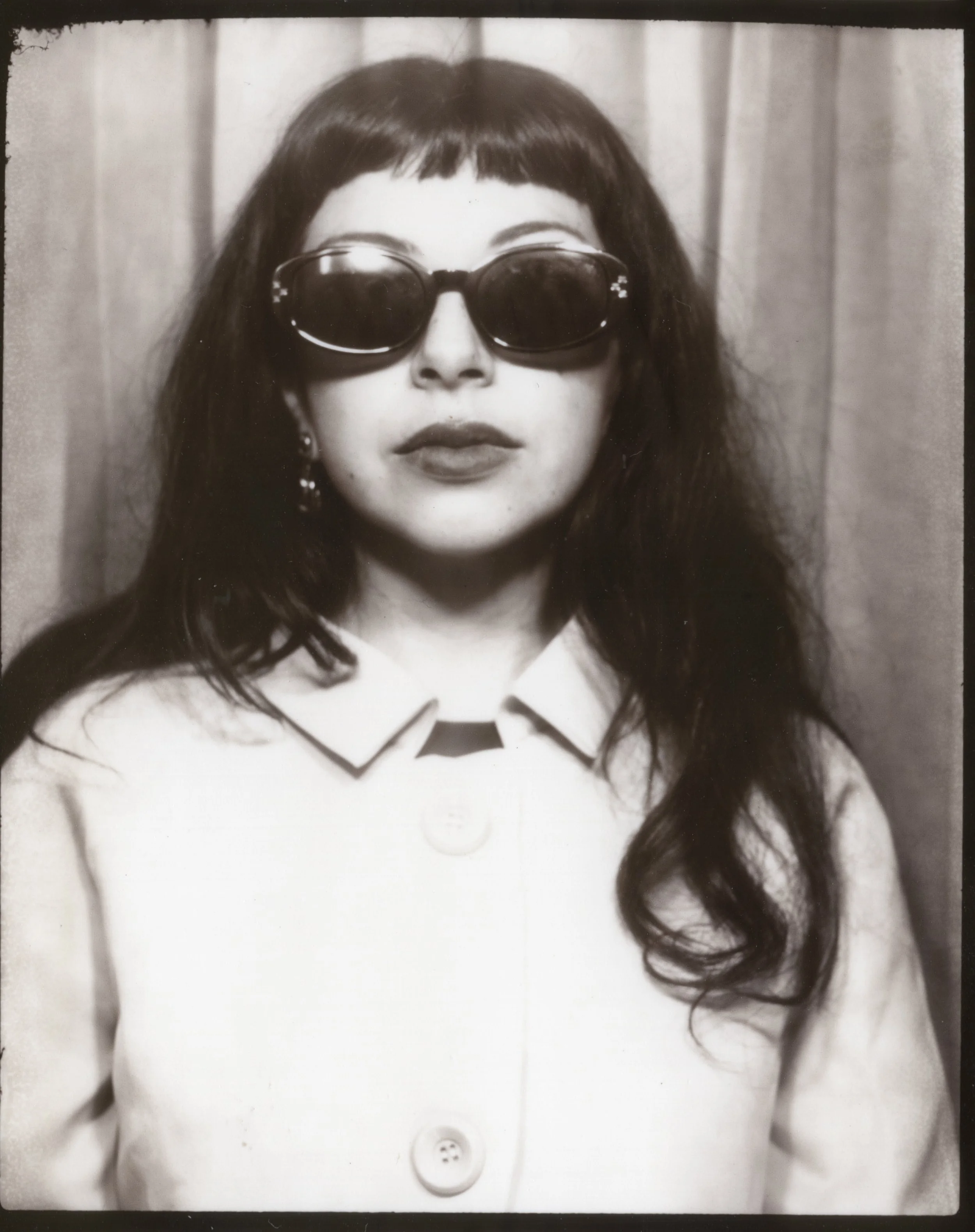
“I always like to say that the best camera is the one you have with you.”
FOLLOW ALONG WITH PAOLA
on Instagram @raadgal