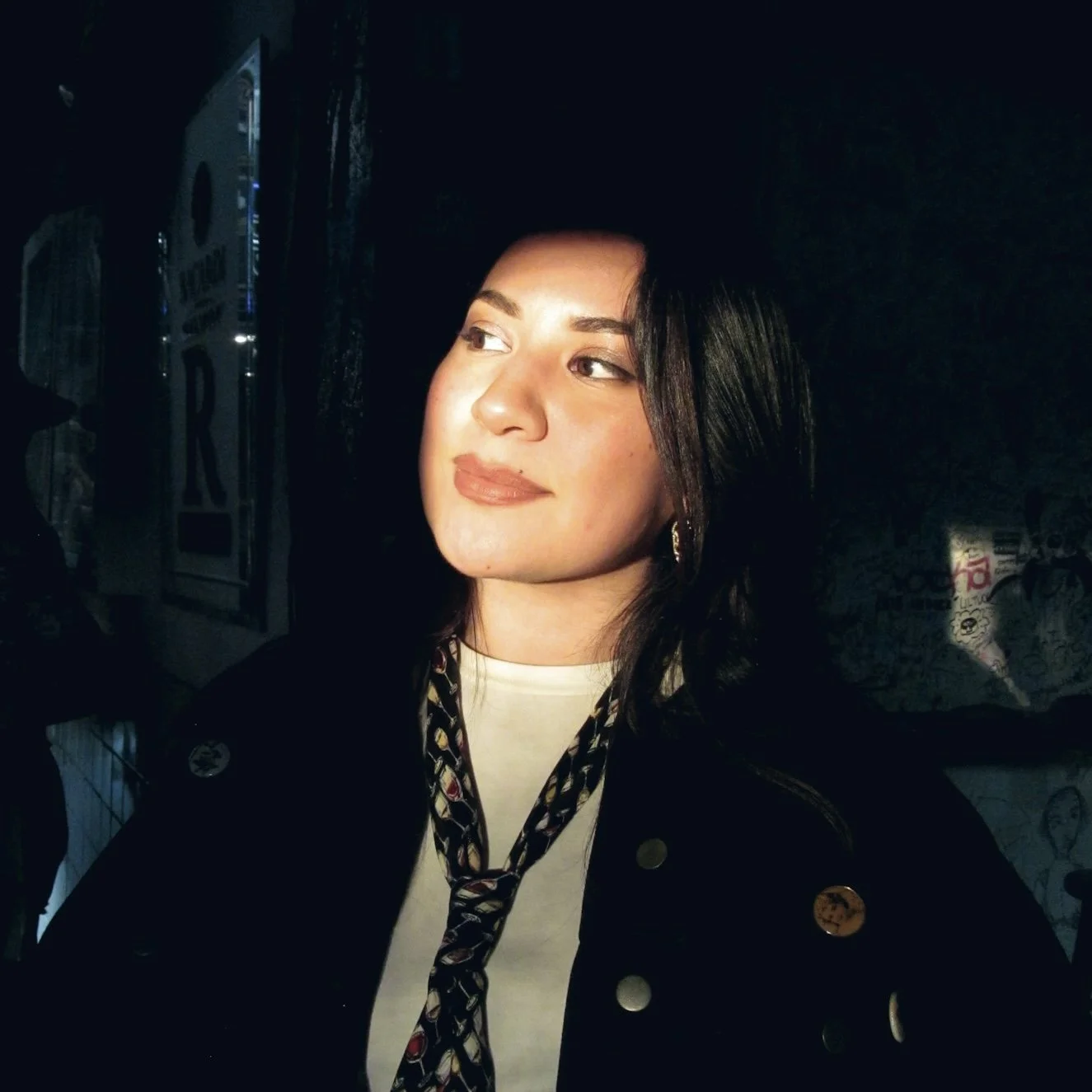
DOCUMENTARY FILMMAKING WITH KAITLYN PHAM
of SelfDemise Productions
SEPTEMBER 1, 2025 - INTERVIEW by SARAH ONTIVEROSVideo Diaries Series (2024) by Selfdemise Productions
I saw your Depth of Field documentary and was really moved by the gentleman that you interviewed, Eric Lundstrom. I want to talk about that relationship at some point because I love that. But for me, there was a correlation between your documentary and your Video Diaries as well. Eric talks about documenting your life and how back then it was more of an occasion to. It wasn't something that people did wildly. And I think now we have the freedom to do that whenever. So I kind of want to get into the documentary a little bit. Y'all talk about film as a medium. What is your experience with videography and have you done anything on film? And what compelled you to document that?
So growing up, it's kind of in the same world, but the first camera I ever got my hands on when I was four years old was a tape camera. So pretty much like a DCR and it was like the newer version of film at the time because it's a digital reel. But at the same time you're limited to a 60 second cassette and back then physical mediums were expensive to come by, and so at a young age I learned that I love shooting around the house and these little moments of life because I loved looking back at them. And I'm so glad I have all these clips of me, you know, and our childhood home, recording these special memories that might have seemed mundane at the time but then you look back and it's like, wow I have memories of this house and this dog that I had and when we went to Hawaii when I was five. Because the thing about me is I have this huge fear that memories can fade and you can forget them unless you document them. And then it's kind of printed in time. And so I had this huge fascination since I was a kid with just being able to capture memories in general. And then, as I made my way through high school, I found a love for film photography because a lot of the cameras I had growing up weren't anything new by any means. It was kind of what was handed down from my parents or my grandparents. And so it was a Canon AE-1 and then a Canon K2 and it was like, you know what? It's also really cool to be limited to 32 shots. You really think about what it is you're shooting, and you have more control as well. And so I shifted from learning film photography to getting interested in film video, like motion picture. And I don't have quite the budget for something like a narrative Super 16 or Super 8 yet but just the idea that even if it's not on film, capturing your life and little moments of time is almost like a thank you to your older self.
Yeah, absolutely. It's funny. We have very similar origin stories because all the cameras that I had as a girl were stuff that was handed down. My dad's A-1 was what was given to me, and it’s what I learned on. So film was the first thing that I learned how to do and it was so technical but it was so interesting because, like you said, you're limited to a certain amount of shots. You don't know what you're getting. So it's really interesting. I love that that's where you started as well and kind of found your way into motion picture, like we all kind of do: starting in photography and finding our way through and ending up in motion picture. Which is so fun. But your documentary, I was really moved by it because there were moments where Eric [Lundstrom] even gets emotional talking about film. And I'm sure that has a lot to do with that company being handed down to him from his dad. Where did that relationship kind of start for you guys?
My relationship with Eric began when I was no longer able to transfer my tapes to my computer. I used to be able to seamlessly do it, but then something happened with the camera that I had where I couldn't play back tapes and I was like, where in Houston can I find someone that can transfer these tapes for me for a decent price? And then I discovered Eric in his store VTC - if you all need any type of transfers or cleanups or even repairs, he's the guy to go to. So it started off with me just genuinely needing the service that he provided and I love a small business where the person that shows up every day is the owner, you know, and so I sat down with him as I was dropping off some tapes one time and he had so many stories to tell and he seemed so excited to share these film tapes that he had himself. And so I just developed a friendship with him and I at some point was like, I really want to interview this guy, I feel like he would be really cool and he really understands the message I'm trying to tell. So I asked if I can set up an interview with him and ever since then he's just been such a wonderful, great man that supports what it is I'm trying to do with film, like keeping it alive. And even for my senior pictures - he let me use some props well, not props, but like actual film editing gear that they would use back then, like when they're cutting up the clips and like the reeling of the tapes and everything. And a lot of the customers see his love for film, and he's told me that people just bring things too, they're like, “Oh my father passed away, I think you would really appreciate this.”
Oh I’m sure! Good to know, I want to stop by sometime. I don't work in that medium really but it's interesting and if it’s something I come across, I'd love to know who to take my stuff to. I love the idea that the documentary was about filming things on films as well, is that something that you do in your Video Diaries at all, or is that more digital?
Burnett comes from a school of filmmakers that focused on neo-realism, in a sense, they crafted their inspirations around third-world independent cinema. The focus was an entirely independent craft, devoid of any bells and whistles. For Killer of Sheep, he wrote, shot, and edited the entire film by himself. The conceit and thesis of the film comes from a desire within Burnett to, “present Black people as real people, not as stereotypes and comedic characters that Hollywood, since Birth of a Nation, has imposed on us.” (Thomas, 2025). It is, at its absolute core, an independent picture. It is something that can only be created out of compassion and a storyteller's burning responsibility. A narrative film that is completely devised, full of takes, edited moments, characters, and contrived narrative, yet feels so real that it borders on documentary filmmaking.
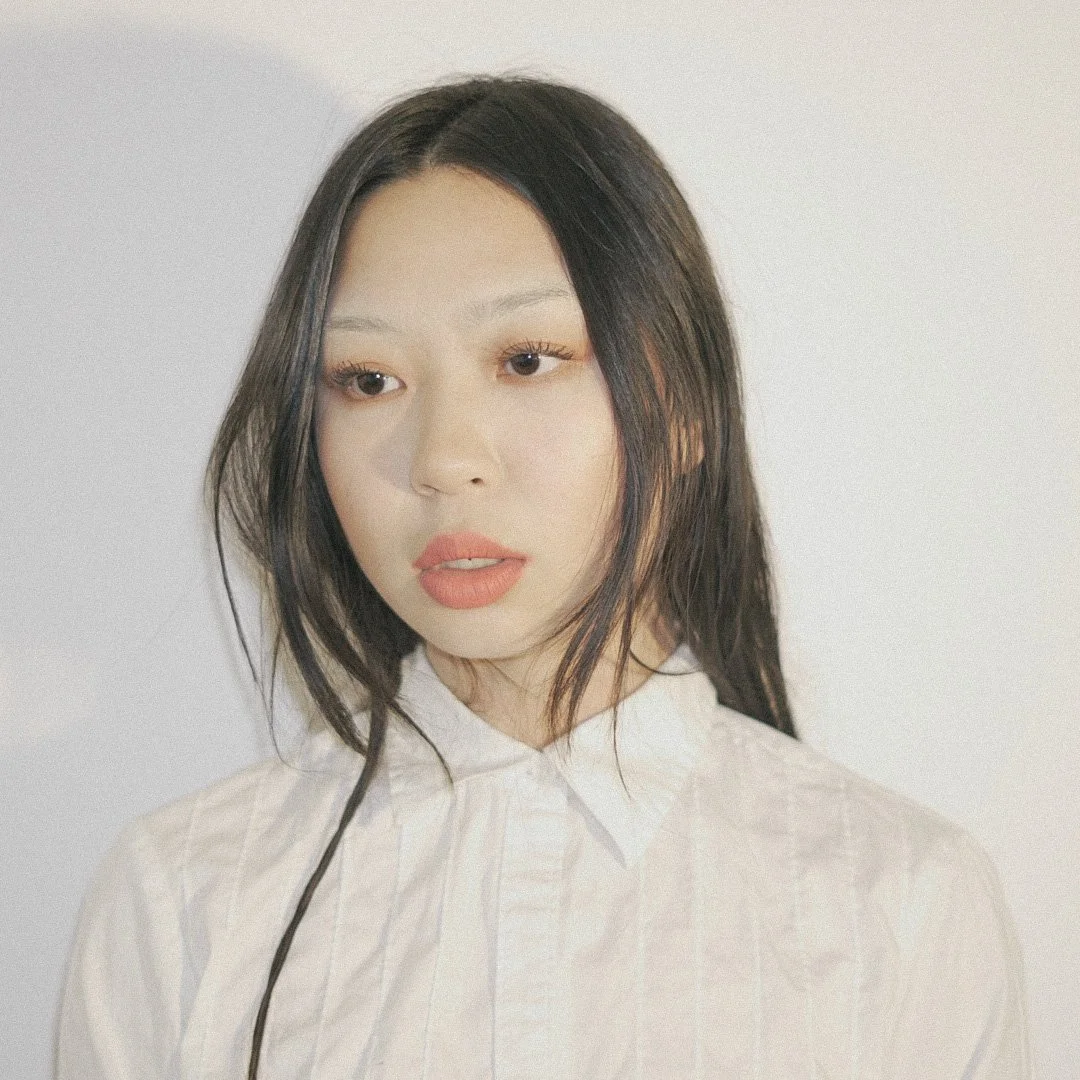
Self-Portrait by Kaitlyn Pham
Actually, no, digital besides some of the images throughout, those are on film. So the first, like, big investment I got for myself was the Sony 6400. with the kit lens and, you know, I was so mesmerized that this little thing could shoot 4K and like that was the main bread and butter. And so that was a great way for me to practice and it wasn't until maybe like 2021 when I was fully confident in shooting, completely, like everything in manual. And so that gave me so much inspiration and motivation to wanna push towards not only building my portfolio but also going back to like the now version of the the camcorder I used to use as a kid.
Yeah, I love the Video Diaries. I felt like there’s a really big correlation between a lot of what Eric Lundstrom talks about in your documentary, about how it was an occasion to be able to record your life and document it in that way. And I feel like with your Video Diaries there's not a special occasion going on in any of those really. It's more like this is my every day and it's like you make your life the occasion. And I wonder if that is your inspiration for doing things like that on a daily basis when you were doing it pretty often?
I think for a moment in time like the reason why it started was because I had this itch to create but I don't really come from the narrative background, I'm more documentary filmmaking. So I was like, how do I apply what I do in documentaries to my videos? I kind of want it to feel a little bit more like you’re a fly on the wall taking a look into my life, and it made me kind of shift my viewpoint of how I view my everyday life. At first the Video Diaries started with me traveling somewhere because I had a reason, you know, I'm in a new place and I wanna capture the beauty that I'm seeing. But what about where it is that I live and go every day and what I experience day to day? There's beauty in that too but because I see it every day it's hard for you to see it truly. And so yeah, that was one of the many reasons why I really wanted to dive into the Video Diary series was for myself and to really test, like, how do you make beauty and shine light on the everyday?
Yeah absolutely. So does documentary filmmaking personal or not, make life feel like a movie - something special and worthy of note? Or does it act as a way to reflect on your life or the lives of others? Or is it both?
I would say both...Yeah because at first I had named the Video Diaries just written names of soundtracks that resonated with me at the time, and then I went back a couple of months later and I was like, you know what, these feel like chapters of my life because what I was listening to and how I viewed life or what I was talking about or the themes change within every chapter, and I feel like the whole name Selfdemise kind of arose from the idea that every day I would like to say I'm shedding my skin and learning to be a new and better version of myself. And so that in tandem with each month doing a Video Diary series, I think that really pushed me to see life in a different way and see that it's so easy to be down and out about the things going on around you because life happens and shit happens and I know that, but at the same time, the glass is always half-full. So yeah, that helped me kind of see it in that perspective. and looking back every so often I'll watch one of them again and just reflect on my mindset at the time and how I view things. Not even with the words I'm saying but how I shot things is my viewpoint for that time, you know.
Yeah they're very much like a time-stamp in your life. And I wonder, is that something that you want to continue to document and will you always continue to share them? Or will they get more personal and just be a collection for you?
So a little bit of both, there are some Video Diaries that have never seen the light of day. I just felt the need to capture it for myself in that moment and you know maybe that's not something for the world to see but there are ones that I actually do, in short, want to jump back into. And I think the reason why I was able to continue at it, twelve months consecutively, was because at that time I was a senior in college and the discipline and structure of film production and cinematography being my major and my focus in college really had me in that mindset. Like I see life this way because I'm doing it this often. And so it just made sense. And then once I graduated I took a big break from it and it became too long of a break to where I was like, how do I get back into this? And so now I'm just I'm finding the right time, but I know for sure it's not something that's just gone. It will be back when the time is right.
And I guess with that, what do you plan to do beyond the Video Diaries? Do you want to continue to do documentary filmmaking?
Yes. I think in the long term, the next five, ten years, bigger picture, I do see myself directing or DP-ing, and even like - I’d love the ability to be able to direct it and then also edit it because I feel like there's a power in being the director but there's also a power in being the person behind the screen editing it and building the story and telling it right. Like with the pacing, with the clips that you choose to share, and so I definitely want to tell people’s stories right. And the people that you walk by every day that you think wouldn't have anything to share, they have something - a piece of them that you can relate to. And so that's where I see myself in the next couple of years.
I love that. With your Video Diaries that's what it felt like to me, like I would never know the inner workings of this person beyond what I see on the surface. But your Diaries are an insight into who you are and I love that. I love being able to see that in people’s work and in their art, and I think you do that really, really well.
Thank you. thank you.
Thank you so much for letting us get this interview. I'm glad that we got to talk about your Video Diaries and your documentary. It was really impressive, and it was what made me want to reach out to you - to kind of tie those two things of yours together.
Thank you! And one last note about the beauty of documentary filmmaking, to me, you don't necessarily need a budget for it. You just need the right story and a camera. and you know, the rest kind of just comes to life itself.
Absolutely. Your subject is your story.
FOLLOW ALONG WITH KAITLYN
on Instagram @selfdemise.
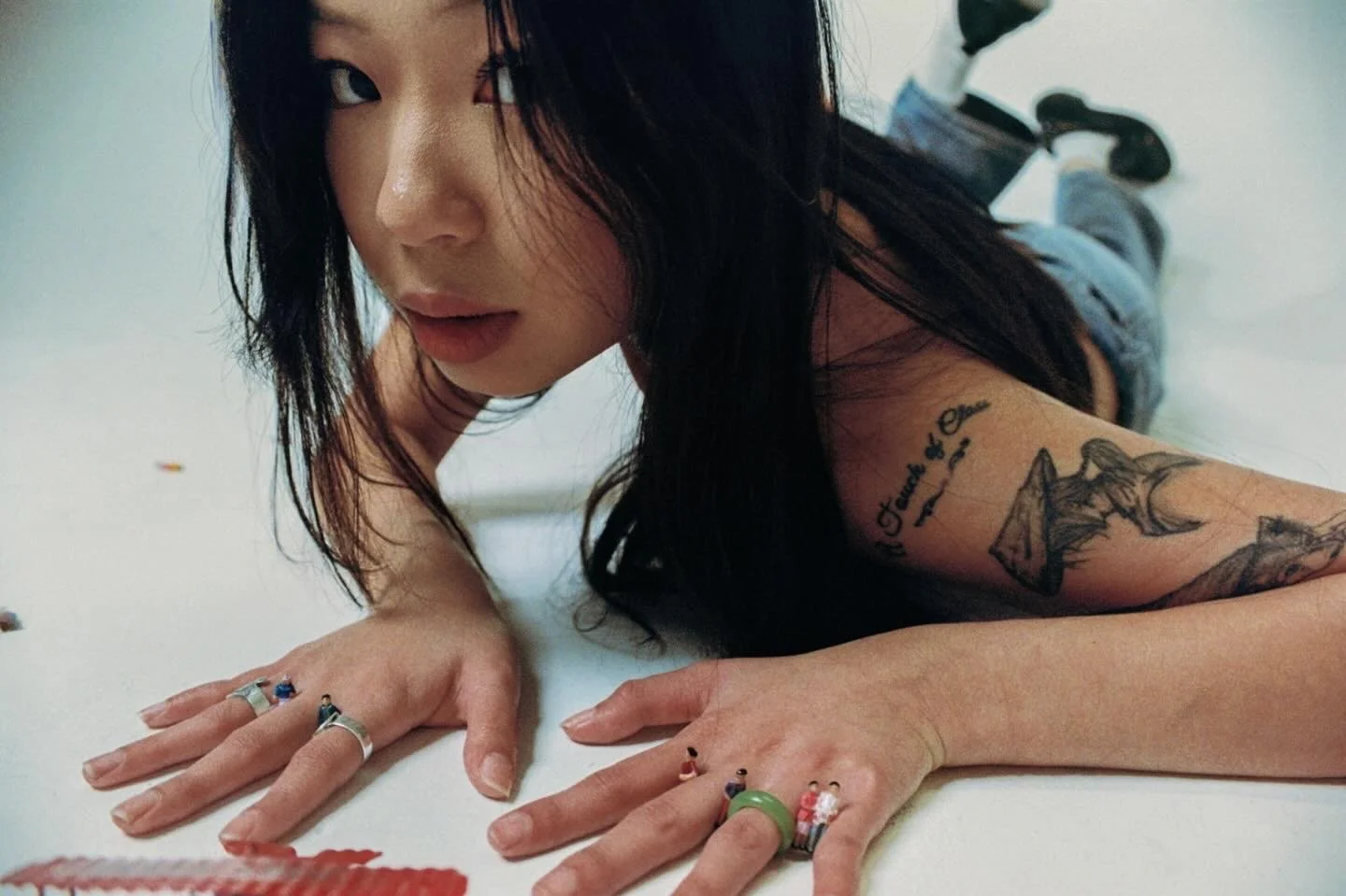
Self-Portrait by Kaitlyn Pham